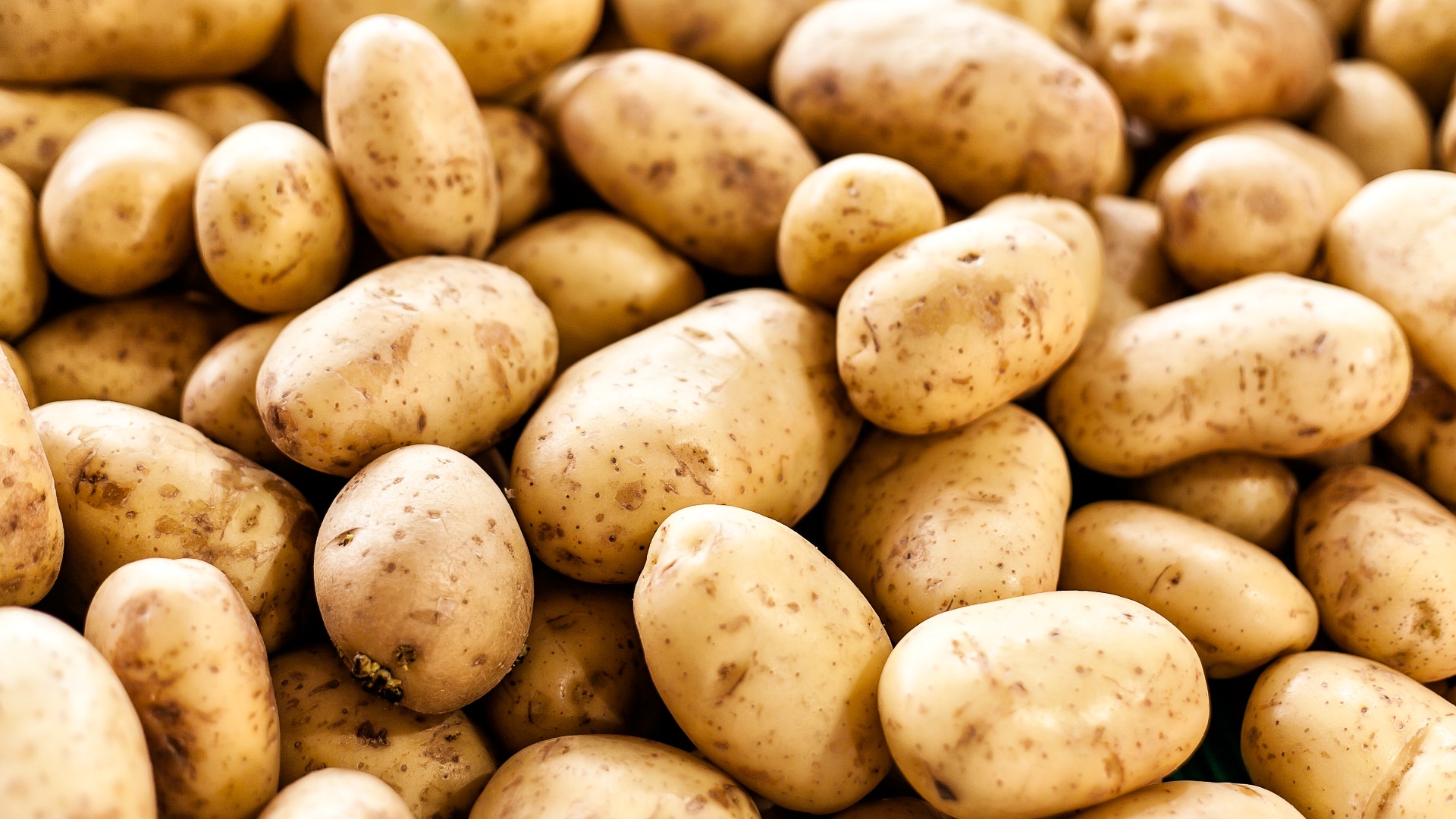
For decades, potatoes have had a complicated reputation.
Some people view them as comfort food. Others blame them for weight gain, unhealthy eating habits, and even failed diets. In a world obsessed with low-carb trends and fashionable superfoods, the humble potato has often found itself unfairly pushed aside.
But what if one of the world’s most common foods is actually far healthier than many people realize?
According to nutrition experts, potatoes contain an impressive range of vitamins, minerals, antioxidants, and other nutrients that can support overall health when prepared properly. Far from being an enemy of healthy eating, potatoes may offer benefits that surprise even their biggest critics.
The truth is that potatoes have been nourishing humans for thousands of years.
Originally cultivated in South America, they eventually became one of the most important food crops on the planet. Today, billions of people consume potatoes regularly, and scientists continue to uncover new reasons why this simple vegetable deserves more respect.
One of the biggest misconceptions about potatoes is that they provide little more than carbohydrates.
In reality, potatoes contain a remarkable variety of nutrients. They are rich in vitamin C, vitamin B6, potassium, manganese, and several other essential compounds that help the body function properly. A medium-sized potato can contribute significantly to daily nutritional requirements while remaining relatively low in calories.
Perhaps most surprising is their potassium content.
Many people associate potassium with bananas, yet potatoes often contain even more of this important mineral. Potassium plays a vital role in regulating blood pressure, supporting muscle function, and maintaining proper fluid balance throughout the body. Health experts frequently emphasize the importance of potassium-rich foods for cardiovascular health, making potatoes an unexpectedly valuable addition to a balanced diet.
The benefits don’t stop there.
Potatoes are also packed with antioxidants, natural compounds that help protect the body’s cells from damage caused by free radicals. Free radicals contribute to aging and may play a role in various chronic diseases. The antioxidants found in potatoes—including flavonoids, carotenoids, and phenolic acids—help combat this process and support long-term health. Interestingly, colorful varieties such as purple potatoes often contain even higher concentrations of these beneficial compounds.
Another overlooked advantage is digestive health.
Potatoes contain resistant starch, a special type of carbohydrate that behaves differently from ordinary starch. Instead of being fully digested in the small intestine, resistant starch reaches the large intestine, where it serves as food for beneficial gut bacteria. These bacteria produce compounds that may improve digestive health, support the immune system, and help maintain a healthier gut environment overall.
Scientists have become increasingly interested in the relationship between gut health and overall wellness.
Research suggests that a healthy gut microbiome may influence everything from digestion and metabolism to mental well-being and immune function. Because potatoes can contribute resistant starch, they may indirectly support several aspects of health beyond digestion alone.
Many people trying to lose weight are often surprised to learn that potatoes can actually help control hunger.
In one well-known study examining the satiety of various foods, potatoes ranked among the most filling options tested. Their combination of fiber, water, and starch helps create a lasting feeling of fullness, potentially reducing the desire to snack between meals. Feeling satisfied after eating is an important factor in maintaining healthy eating habits and controlling calorie intake over time.
Of course, preparation matters.
A baked or boiled potato is very different from a serving of deep-fried French fries loaded with salt and unhealthy fats. Many of the negative health associations linked to potatoes come not from the vegetable itself but from the way it is often prepared. When combined with excessive oil, butter, processed toppings, or frying methods, the nutritional profile changes dramatically. Nutrition experts consistently emphasize that cooking methods can make a major difference.
Blood sugar management is another area where potatoes often generate debate.
While potatoes can affect blood sugar levels, several factors influence their impact, including variety, cooking method, serving size, and what foods are eaten alongside them. Pairing potatoes with protein, healthy fats, and fiber-rich vegetables can help create a more balanced meal and reduce rapid blood sugar fluctuations.
Athletes have long recognized another benefit of potatoes: energy.
Because potatoes provide easily accessible carbohydrates, they can serve as an excellent fuel source for physical activity. Carbohydrates are the body’s preferred energy source during exercise, making potatoes a practical option for individuals with active lifestyles. Some research has even suggested that potatoes may perform similarly to certain commercial sports products when it comes to supporting endurance activities.
There is also growing interest in the role potatoes may play in sustainable nutrition.

They are relatively affordable, widely available, and capable of producing large amounts of food on comparatively small areas of land. As global populations continue to grow, foods that combine nutritional value with agricultural efficiency may become increasingly important. Potatoes fit that description remarkably well.
Perhaps the most important lesson is that foods are rarely as simple as their reputations suggest.
For years, potatoes were often portrayed as a dietary villain. Yet modern nutritional science paints a much more balanced picture. When prepared thoughtfully and enjoyed as part of an overall healthy diet, potatoes can provide valuable nutrients, support digestive health, promote satiety, contribute antioxidants, and supply important minerals that many people need more of.
So the next time you see a potato on your plate, you may want to look at it differently.
Beneath its ordinary appearance lies a surprisingly powerful package of nutrition.
And according to experts, this everyday food may deserve a place among the healthiest staples in the kitchen—not on the list of foods to avoid.