A routine course of antibiotics turned into an unexpected medical mystery for a 64-year-old man from the United States after he noticed a dramatic change in the appearance of his tongue. What initially seemed alarming ultimately turned out to be a rare but harmless condition that has fascinated doctors and attracted attention around the world.
The unusual case was documented by physicians and later published in a leading medical journal, offering a striking reminder that even common medications can occasionally produce surprising side effects.
A Strange Discovery
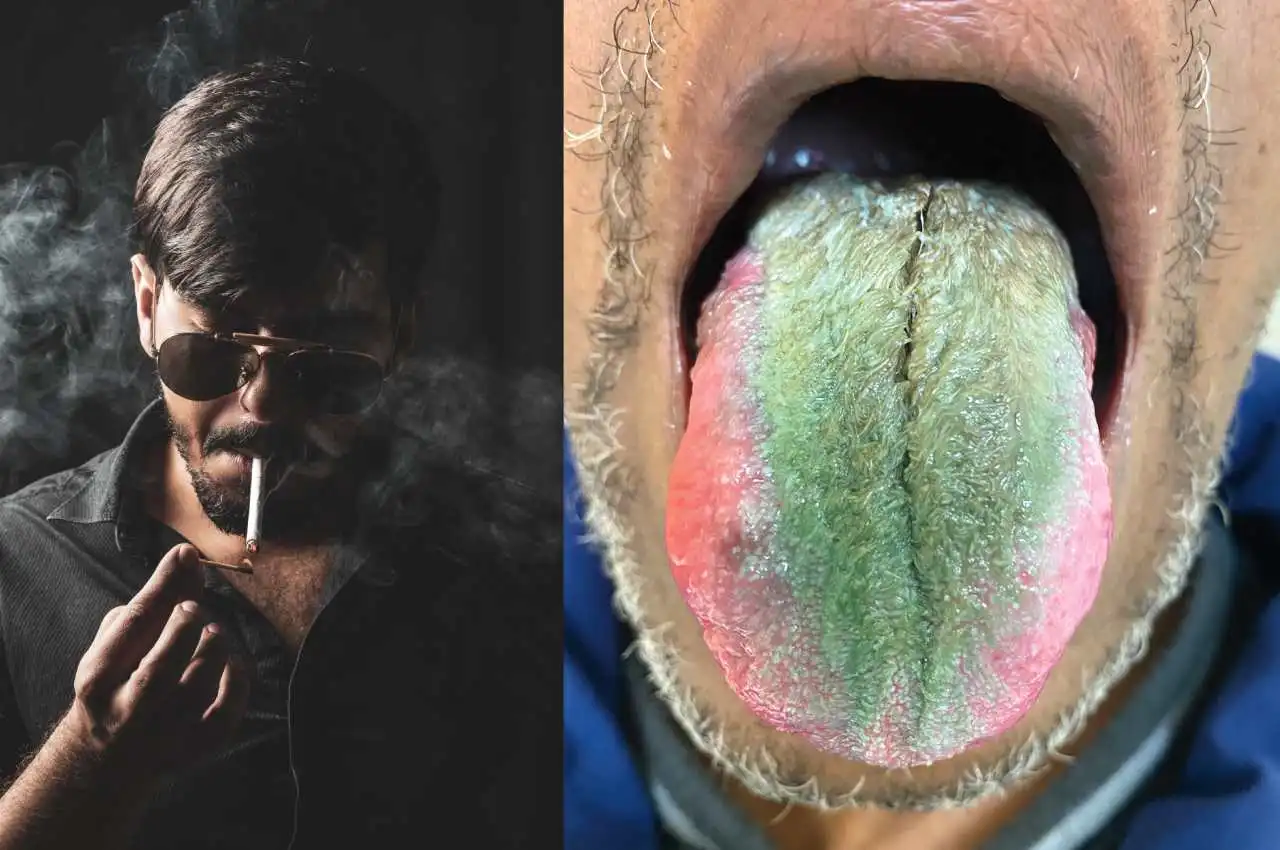
The man sought medical attention about two weeks after noticing that his tongue had gradually become covered with a green, fuzzy coating. Concerned by the unusual appearance, he visited his primary care physician hoping to discover the cause.
Doctors learned that shortly before the discoloration appeared, he had completed a course of the antibiotic clindamycin, which had been prescribed to treat a gum infection. The patient was also a long-term smoker, another important factor that physicians considered while evaluating his condition.
An Initial Misdiagnosis
At first, physicians suspected the patient might be suffering from oral thrush, a fungal infection that commonly causes white patches inside the mouth. To treat the possible infection, doctors prescribed the antifungal medication fluconazole.
However, the treatment produced no improvement. The green coating remained, prompting doctors to take a closer look at the patient’s symptoms before arriving at the correct diagnosis.
The Real Diagnosis: Hairy Tongue
Further examination revealed that the patient was experiencing a condition known as hairy tongue. Despite its alarming name, the disorder does not involve actual hair growing on the tongue.
Instead, tiny structures called filiform papillae become unusually elongated because they fail to shed dead cells normally. As keratin—the same protein found in hair and nails—builds up on these papillae, the tongue develops a fuzzy or “hair-like” appearance.
Food particles, bacteria, yeast, and other debris can become trapped within these elongated papillae, causing the tongue to change color. Although black is the most common shade associated with hairy tongue, doctors explain that brown, yellow, and even green discoloration can also occur.
Why Did It Turn Green?
Doctors could not determine with complete certainty whether the man’s condition was triggered by the antibiotic, his smoking habit, or a combination of both.
Medical experts note that several factors increase the risk of developing hairy tongue, including:
- prolonged antibiotic use;
- smoking;
- poor oral hygiene;
- dehydration;
- changes in the normal bacteria living inside the mouth.
Antibiotics can temporarily disrupt the natural balance of microorganisms in the mouth, allowing unusual bacteria or yeast to flourish. Combined with smoking, this may create the perfect conditions for hairy tongue to develop.
A Benign but Unpleasant Condition
Although the appearance of the tongue shocked both the patient and many people who later saw photographs of the case, physicians emphasized that hairy tongue is generally considered harmless.
Most patients experience little or no pain. Some report altered taste, bad breath, or a tickling sensation, but serious complications are extremely rare.
The dramatic appearance often causes more anxiety than the condition itself. Fortunately, hairy tongue is usually reversible once contributing factors are addressed.
Surprisingly Simple Treatment
Rather than prescribing additional medications, doctors recommended a straightforward treatment plan.
The patient was instructed to gently brush the surface of his tongue with a toothbrush four times each day to remove excess keratin and accumulated debris. Improving oral hygiene was considered the most effective approach.
Physicians also advised him to quit smoking, as tobacco use remains one of the major risk factors associated with hairy tongue.
A Positive Outcome
At a follow-up appointment six months later, doctors reported excellent news.
The man’s tongue had returned to its normal appearance, and the green discoloration had completely disappeared. Interestingly, the medical report noted that the improvement occurred even though the patient had not stopped smoking, suggesting that careful oral hygiene alone played a major role in his recovery.
An Important Reminder
Cases like this highlight how unexpected side effects can sometimes occur after taking commonly prescribed medications. While hairy tongue may look frightening, experts stress that it is a benign condition that usually resolves with proper oral care and, when possible, by eliminating contributing factors such as smoking or unnecessary antibiotic use.
Doctors also emphasize that antibiotics should always be taken exactly as prescribed and that any unusual symptoms should be discussed with a healthcare professional rather than ignored.
Although this American patient’s green, hairy tongue made headlines because of its dramatic appearance, his experience ultimately ended with a full recovery—demonstrating that even the strangest-looking medical conditions are not always dangerous when properly diagnosed and treated.