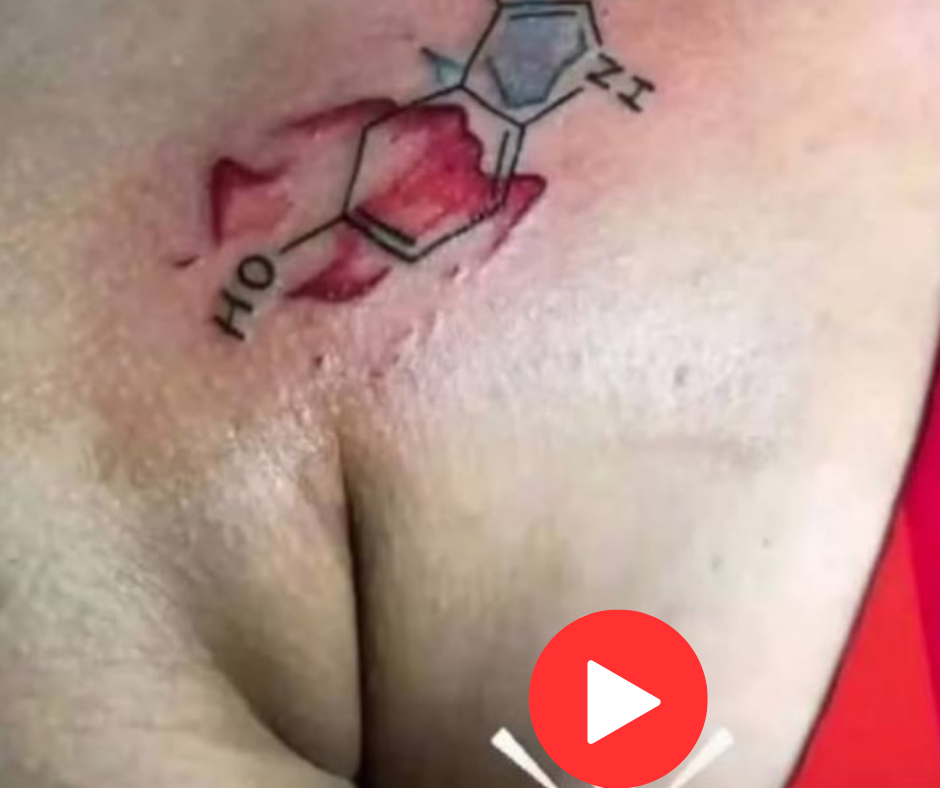
Tattoos are no longer just about decoration. For many people, they are a statement — a test of pain tolerance, individuality, and personal limits. While tattoos on arms and backs have become completely normal, tattoos in the armpit, on the lips, or around the belly button still shock even the most experienced tattoo fans. So why do people choose these extreme and intimate places?
Armpit Tattoos: One of the Most Painful Choices
The armpit is widely considered one of the most painful areas for a tattoo. The skin is thin, extremely sensitive, and packed with nerves and lymph nodes. Even professional tattoo artists warn clients that this is not an easy experience.
Yet that’s exactly what attracts some people. For them, an armpit tattoo represents endurance and mental strength. The designs are often minimalist — small symbols, short phrases, or abstract lines — usually hidden from view. It’s a deeply personal tattoo, meant more for the wearer than for the public.
Lip Tattoos: Bold, Secret, and Temporary
Tattoos on the inside of the lip are popular among those who want something daring but discreet. These tattoos are usually small words, dates, or symbols — invisible unless intentionally shown.
However, lip tattoos don’t last forever. Because of constant moisture and friction, the ink fades quickly. Some people see this as a downside, while others love the idea of a tattoo that disappears over time — a moment, not a lifetime.
Belly Button Tattoos: Pain Meets Precision
The area around the belly button is another challenging spot. The skin stretches and moves constantly, making the process uncomfortable and the healing tricky. Pain levels are high, and precision is crucial.
Despite this, belly button tattoos are often chosen for their aesthetic impact. Mandalas, floral designs, and symmetrical patterns are popular, turning the body’s natural shape into part of the artwork.
More Than Ink
Extreme tattoo placements aren’t about trends alone. They are about control, courage, and self-expression. For some, the pain is part of the meaning. For others, it’s about owning parts of the body most people avoid.