A miscarriage often begins with vaginal bleeding, which can range from light spotting to heavy bleeding. Many also experience lower abdominal pain — similar to period cramps, but sometimes more intense. As it progresses, you might pass fluid or blood clots.
However, bleeding doesn’t always mean miscarriage — it’s important to contact your doctor or midwife if you notice it.
In some cases, there are no clear symptoms at all, and the loss is only discovered during a routine ultrasound. Others may simply notice that pregnancy symptoms fade, like reduced nausea or breast tenderness.
Emotionally, a miscarriage can be devastating. Everyone reacts differently — sadness, shock, or numbness are all normal. It can take time to process what’s happened, and partners may grieve too, each in their own way. ❤️
💔 What Should I Do If I Think I’m Having a Miscarriage?
A miscarriage requires immediate medical attention.
If you suspect one, contact your doctor or midwife right away for guidance and support.
👉 Go to the emergency department if you experience any of the following:
-
Heavy bleeding (soaking more than 2 maxi pads per hour or passing large clots)
-
Severe abdominal or shoulder pain
-
Fever above 38°C
-
Dizziness or fainting
-
Foul-smelling discharge
-
Diarrhoea or pain during bowel movements
🩸 What Happens During a Miscarriage
Sadly, once a miscarriage begins, it cannot be stopped. Treatment focuses on preventing infection and reducing heavy bleeding.
There are three ways it may be managed:
-
Expectant (natural) management:
You wait for the pregnancy tissue to pass naturally. This can take up to 2 weeks, and you may have cramping, spotting, and heavier bleeding as the tissue passes. -
Medical management:
Medication helps your body expel the pregnancy tissue sooner. Pain and bleeding are similar to a natural miscarriage, and the process usually finishes within 4–6 hours. -
Surgical management (D&C):
A short procedure under general anaesthetic removes remaining tissue. It takes 5–10 minutes, and most people go home the same day.
While waiting, rest and use sanitary pads (not tampons) to lower infection risk. Paracetamol can help with pain.
👁️ What a Miscarriage Might Look Like
What you see depends on how far along the pregnancy is:
-
Early (up to 6 weeks): small clots or greyish tissue; the embryo is barely visible.
-
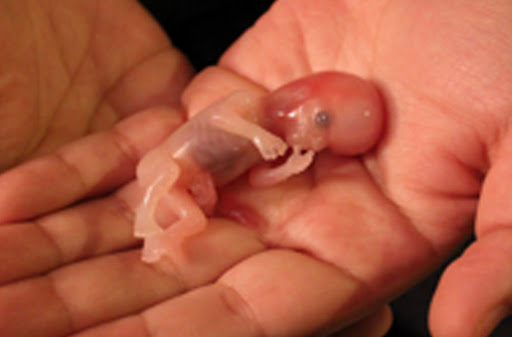
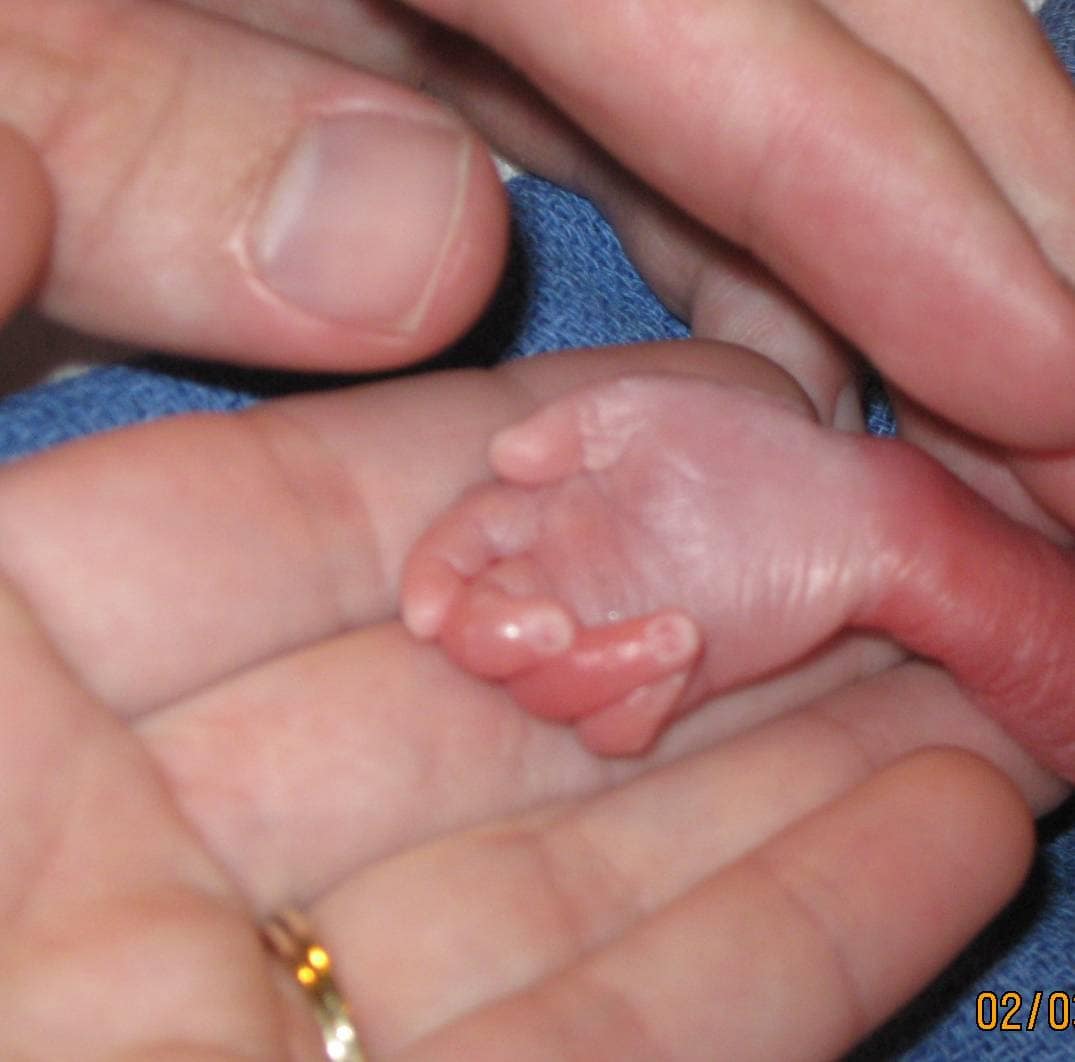
Around 8 weeks: tissue may look dark red and shiny, with a tiny sac — sometimes containing a bean-sized embryo.
-
Around 10 weeks: dark red, jelly-like clots; the tiny fetus is fully formed but hard to see.
-
12–16 weeks: fluid may come first, followed by bleeding; the small baby may be visible and attached to the umbilical cord.
-
16–20 weeks (late miscarriage): heavier bleeding and pain like labour; the baby is fully formed and about the size of your palm.

💕 What Happens After a Miscarriage
Afterward, you’ll likely have bleeding and cramping similar to a period for up to 2 weeks. Pregnancy symptoms fade within days, and your next period usually comes in 4–6 weeks.
If the miscarriage occurred later, your breasts might briefly produce milk.
Emotionally, recovery takes time. It’s completely normal to feel grief, sadness, or numbness. 💔