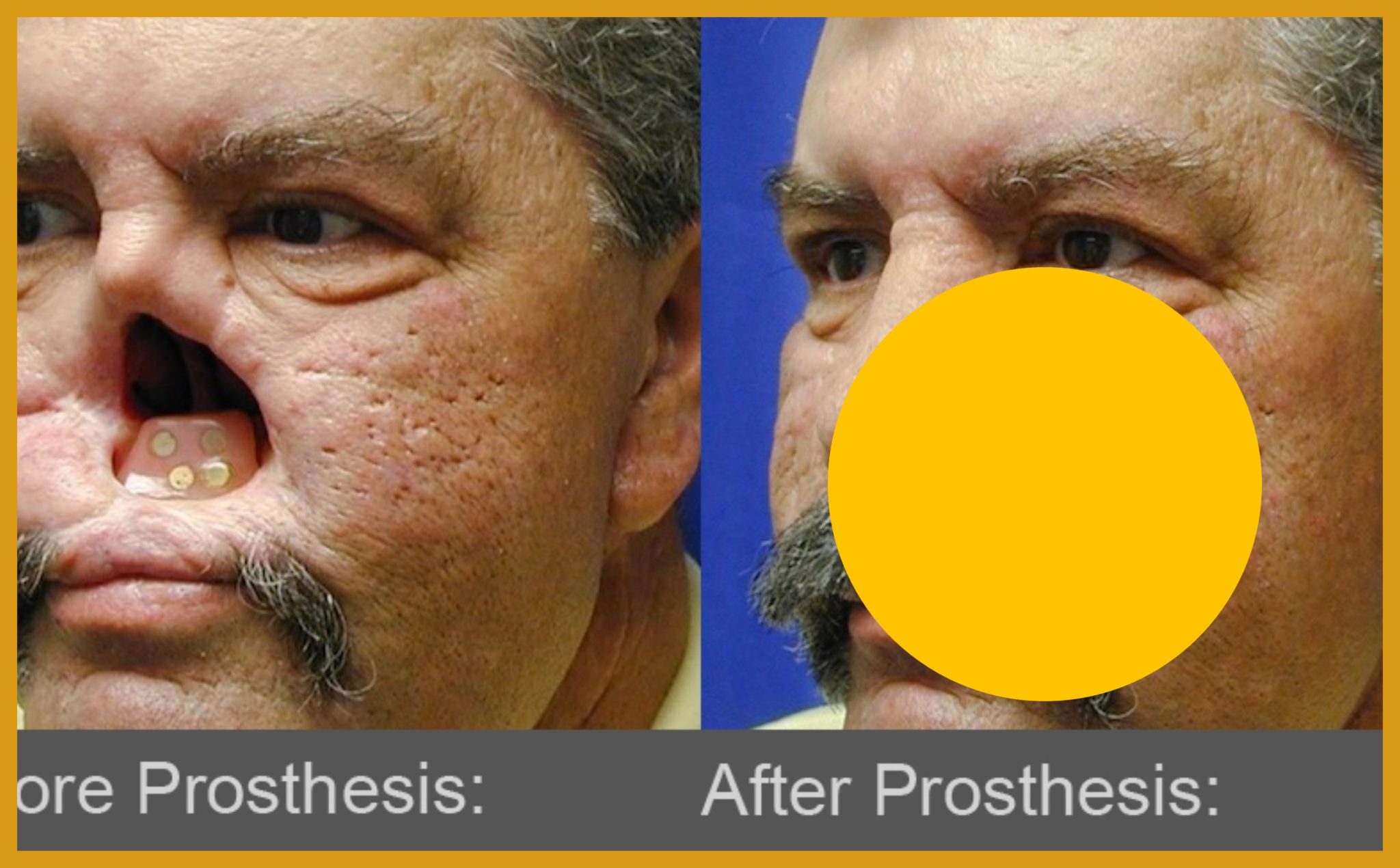
The first example of an aesthetic object is this type of prosthesis, used for facial reconstruction after surgery for head and neck cancer. When we think of art, a prosthesis may not be the first thing that comes to mind; yet, it is undeniably a true work of art. Each one is uniquely crafted for the individual patient—first molded and sculpted with precision, then carefully painted and colored to perfectly match the patient’s skin tone and facial features. For someone left severely disfigured after surgery, such prostheses can make it possible to live a more normal life, free from the constant questions and stares of others in public.
Gaut examines aesthetic objects through five guiding questions. The first is whether the work possesses moral beauty. I would argue that it does. The intention behind a prosthesis is vastly different from most other works of art. Instead of creating something designed to attract attention or admiration, it is made to conceal something that could provoke discomfort or pity. This concealment has a morally beautiful purpose—it helps relieve the patient’s emotional suffering and allows them to interact with others without distress.
The second question asks whether the work imparts knowledge to its audience. Those who are aware of such creations and have the opportunity to study them closely can gain deep insight into human facial anatomy. Moreover, these prostheses reveal the artist’s patience, dedication, and exceptional technical skill.
The third question is whether the intended emotional response aligns with the artist’s goal. The prosthesis succeeds in concealing facial deformities, allowing the patient to regain confidence and dignity in public. Thus, the reaction it elicits—comfort, normalcy, and relief—is precisely what the artist intended.
The fourth question considers whether the emotional response is both morally sound and aesthetically appealing. In this case, it clearly is. The prosthesis not only reduces the patient’s emotional pain but also restores aesthetic harmony by creating a more natural appearance.
Finally, we ask whether the work inspires ethical or moral behavior in others. Once again, the prosthesis demonstrates its aesthetic and moral worth. By helping to prevent subtle discrimination or prejudice against individuals with facial injuries, it encourages empathy and ethical treatment. This serves as yet another powerful testament to the profound aesthetic value of such creations.